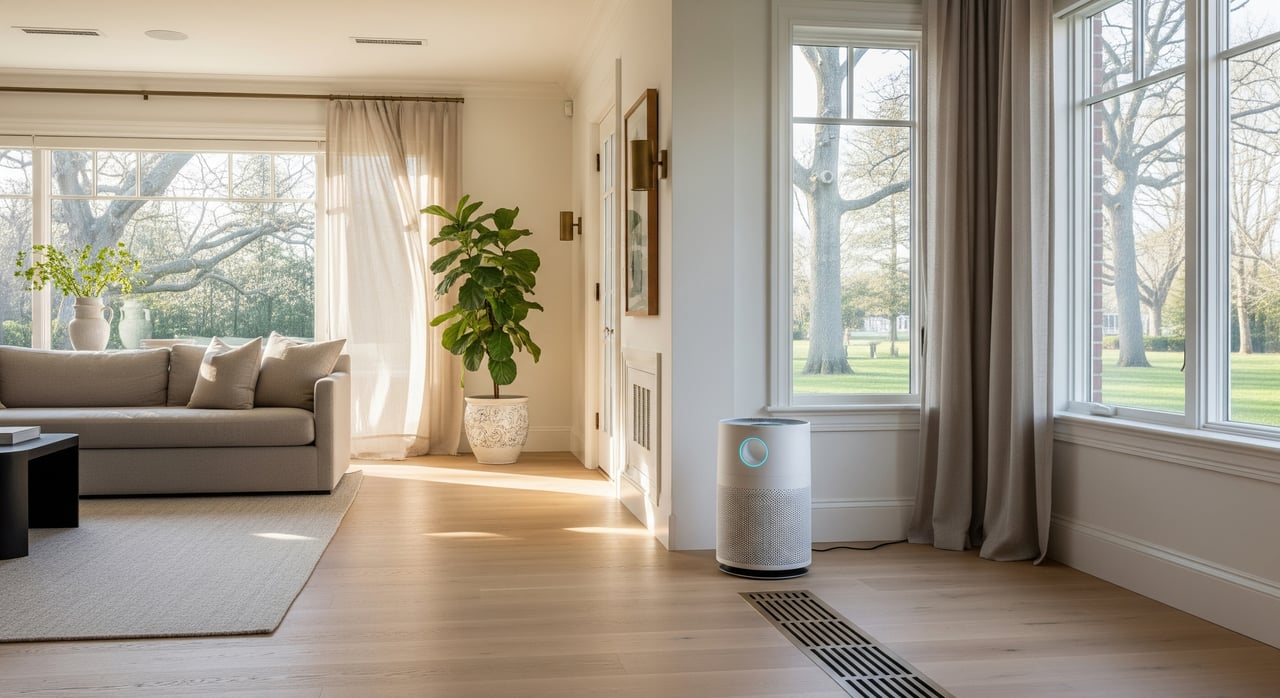
Allergies flaring up at home in New Hyde Park? With humid summers and many mid-century houses, indoor air can feel stuffy, damp, or dusty. The good news is you can make a real difference with simple, low-cost upgrades. In this guide, you’ll learn what to do first, what to plan next, and how to use local rebates to stretch your budget. Let’s dive in.
Why indoor air matters here
New Hyde Park sits in a humid coastal climate. Pollen peaks in spring and late summer, and warm months can drive indoor humidity. Many local homes were built in the 1940s to 1960s, which often means older ductwork, limited ventilation, and drafts that pull in outdoor allergens. The EPA’s practical homeowner tips highlight simple steps that work in any house and climate, including ours. You can review those basics in the EPA’s Care for Your Air guide for a deeper overview of best practices.
Review the EPA’s Care for Your Air guide
Start with source control
Cutting pollution at the source gives you the biggest early win.
- Avoid indoor smoking and choose low-VOC paints and cleaners.
- Vent gas stoves properly and run the range hood when cooking.
- Clean regularly with a HEPA vacuum and microfiber cloths to capture dust and dander.
- During heavy pollen days, keep windows closed and change clothes after yard work.
- Wash bedding weekly in hot water to reduce dust mites.
Filter more of the air you breathe
Upgrade your HVAC filter
Use the highest MERV rating your system supports. Many systems can handle MERV 13, which captures much finer particles, but always check your manual or ask a pro. Run the fan more often or continuously to move more air through the filter.
See EPA guidance on choosing a home HVAC filter
Add portable HEPA purifiers
Place a True HEPA unit in bedrooms and your main living area. Size the unit by its CADR so it matches the room. A simple rule of thumb from AHAM is CADR about two-thirds of the room’s square footage.
Learn how CADR relates to room size
Control humidity and prevent mold
Aim for indoor relative humidity around 30 to 50 percent. Use a hygrometer to monitor levels, then add a dehumidifier if you are above 50 to 55 percent, especially in basements. Run bath and kitchen fans that vent outside, fix leaks fast, and dry wet materials within 24 to 48 hours. If you see extensive mold or water damage, consult professional guidance.
Follow EPA’s brief guide to mold and moisture
Ventilate smarter
Use spot ventilation first. Run your bathroom fan during and after showers, and your range hood while cooking. For tighter or newly weatherized homes, consider whole-house ventilation. Energy recovery ventilators, called ERVs, exchange heat and moisture, which is helpful in humid Long Island summers. Proper design, balancing, and maintenance are essential for any ERV or HRV.
How much ventilation do you need at home
See a homeowner ERV/HRV checklist
Test for radon when you buy or every 5 years
New York State recommends every home be tested, even though Long Island averages are lower than many upstate areas. Test during a purchase, after major weatherization, and about every five years. If results are at or above 4.0 pCi/L, mitigation is recommended by certified pros.
Get New York’s official radon testing guidance
Skip the plant myth
Houseplants look great, but studies show they do not meaningfully reduce indoor pollutants in real homes. Put your time and budget into filtration, ventilation, and humidity control instead.
A quick New Hyde Park checklist
Use this to get fast wins in a weekend.
- Replace your HVAC filter and run the fan longer for better capture.
- Add a True HEPA purifier to bedrooms and the main living area.
- Measure indoor humidity and set a dehumidifier to about 50 percent.
- Confirm bath and kitchen fans vent outside, then use them consistently.
- Do a source-control sweep: low-VOC products, no indoor smoking, routine dusting and vacuuming.
- If you are under contract on a home, schedule a radon test.
What these upgrades cost
- Portable HEPA purifier: about $80 to $500+ based on room size and brand.
- Portable dehumidifier: about $150 to $400.
- Bathroom or kitchen exhaust fan install: often a few hundred dollars per fan.
- ERV or HRV install: commonly about $1,500 to $6,000 depending on home size and complexity.
- Whole-house filtration or media filters: often about $1,000 to $4,000 installed.
Local quotes vary, so get two to three bids and a clear scope of work.
Tap local rebates and programs
Lower your out-of-pocket cost by checking these offers before you buy equipment.
- PSEG Long Island: Rebates for ENERGY STAR air purifiers, dehumidifiers, and smart thermostats. Review current amounts and eligibility.
Explore PSEG Long Island rebates
- NYSERDA: Home energy assessments and incentives that can cover air sealing, insulation, and ventilation recommendations. Income-qualified programs may reduce costs even further.
See NYSERDA’s seal and insulate programs
When to call a pro
- You are unsure which MERV filter your system can handle or you notice airflow issues.
- You plan to install an ERV or HRV and want proper sizing and commissioning.
- You get a radon result at or above 4.0 pCi/L and need a certified mitigator.
- You see visible mold over 10 square feet or have flood damage. Nassau County maintains local cleanup and recovery resources that are useful after storms.
Find Nassau County hurricane and cleanup resources
Small, smart changes can make the air in your New Hyde Park home feel fresher and healthier in days. If you are preparing to sell, these upgrades also show care and can reassure buyers. If you are buying, they help you move in with confidence. For local guidance, trusted vendor introductions, and a seamless plan for your next move, connect with Pat Gaglio.
FAQs
What are the easiest indoor air upgrades for a New Hyde Park home?
- Start with a fresh high-MERV HVAC filter, run the fan more, add a True HEPA purifier to bedrooms, keep humidity near 50 percent, and use bath and kitchen exhaust fans.
Which MERV filter should I use in a Long Island furnace?
- Use the highest MERV your system supports, often MERV 13. Check your manual or ask an HVAC pro to confirm compatibility and airflow.
How do I size a portable air purifier for a bedroom?
- Match the purifier’s CADR to the room size. A common rule is CADR about two-thirds of the room’s square footage.
Do I need radon testing when buying in New Hyde Park?
- Yes. New York State recommends testing every home during purchase or regularly over time, with mitigation if results are at or above 4.0 pCi/L.
What humidity level should I target in a Nassau County basement?
- Aim for about 30 to 50 percent relative humidity. Use a hygrometer to monitor and a dehumidifier if you are above 50 to 55 percent.
Are ERVs or HRVs worth it for older homes in our area?
- If your home is tighter after air sealing or you have persistent humidity or odor issues, a properly designed ERV or HRV can improve fresh air without large energy penalties.