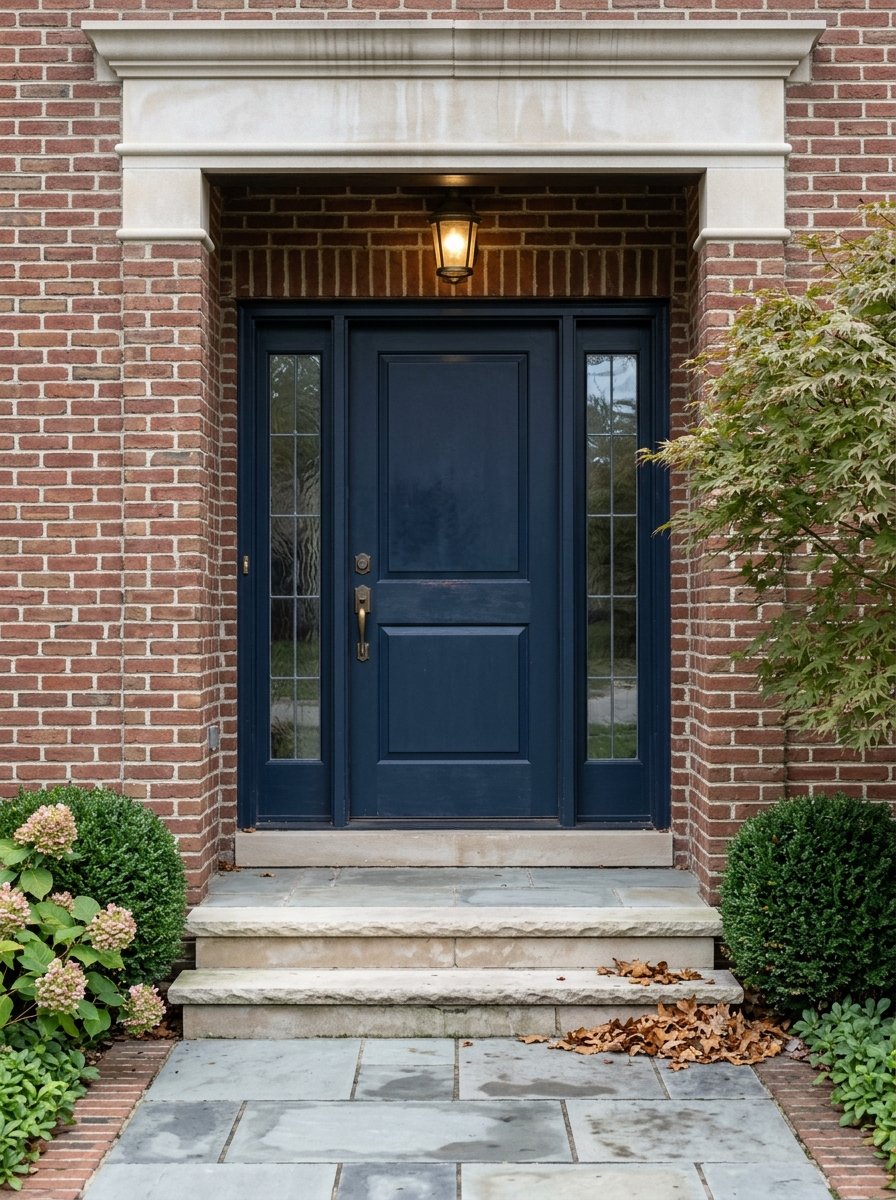
If you are drawn to homes with original details, mature streetscapes, and a true village feel, East Williston deserves a closer look. This small Nassau County village offers a rare mix of historic identity, compact scale, and everyday charm that stands apart from more typical suburban development. If you are thinking about buying here, it helps to understand both what makes these homes special and what responsible ownership can involve. Let’s dive in.
Why East Williston Feels Different
East Williston is a small incorporated village in the geographic center of Nassau County, located less than 25 miles from New York City. Its history reaches back to a 1663 deed referring to the area as The North Side, later becoming Williston in the mid-19th century and East Williston in 1879. The incorporated village dates to 1926, and today it covers less than one square mile, which helps explain its close-knit, village-scale feel, according to the Village of East Williston history page.
That sense of charm is not only about age. The village highlights its history, traditions, Village Green, library, and volunteer civic organizations as central parts of local identity. As described on the village about page, those civic features help create a setting that feels preserved and intentional rather than purely suburban.
Historic Core and Village Character
A big part of East Williston’s appeal comes from its historic center. The East Williston Village Historic District was listed on the National Register of Historic Places in 1985 and includes the community’s largely intact 19th- and early 20th-century residential and commercial core. This area is centered along East Williston Avenue and Station Plaza on Sagamore Avenue, with the Village Green acting as a visual anchor, according to the National Park Service state listings.
Because the district is compact and surrounded by later development, it reads as an old village core rather than a typical subdivision. That pattern matters if you value a neighborhood with a distinct sense of place. In East Williston, the scale, layout, and rail-adjacent setting all contribute to that impression, as summarized by Living Places.
Architectural Details You May Notice
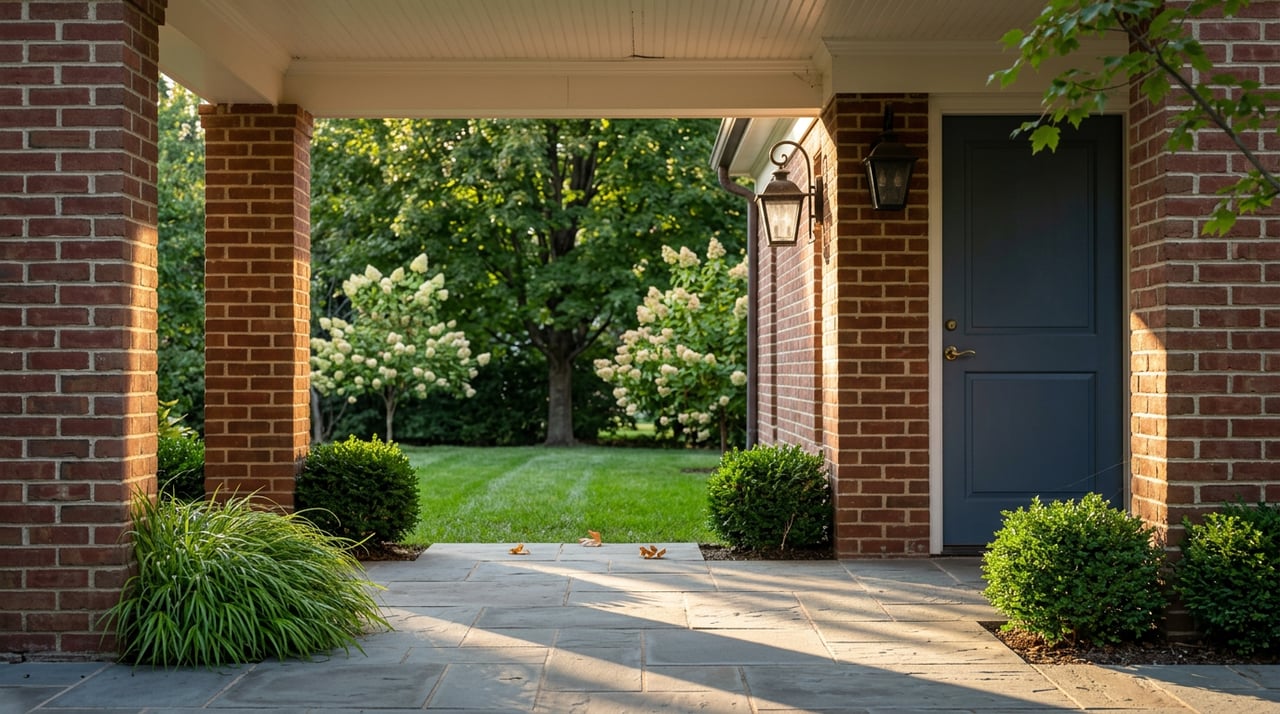
The district is known for late-19th-century Victorian Italianate homes, early-20th-century Colonial Revival houses, and a 1925 Gothic Revival church at the eastern end. Common features include wood-frame construction, clapboard or shingle siding, gable roofs, decorative porches, and brackets. Some properties also retain carriage barns at the rear, which adds to the historic texture of the streetscape.
The same district summary also notes that the railroad station is the village’s only 19th-century brick building, giving the core some visual variety. Village minutes identify 15 East Williston Avenue as the oldest home in the village, which reinforces how deeply rooted this historic character is in the community.
What Buyers Love About Historic Homes
Historic homes often attract buyers who want more than square footage. You may be looking for original craftsmanship, distinctive facades, established lots, or a streetscape that feels cohesive and memorable. In East Williston, that appeal is strengthened by the village’s preserved scale and civic center, including the Village Green and Village Hall library, which the village describes as having a charming colonial atmosphere on its community overview page.
For many buyers, the draw is emotional as much as practical. A historic home can offer individuality that is hard to replicate in newer construction. In a place like East Williston, that character is part of a broader setting, which makes the experience of living there feel tied to the village itself, not just the house.
What Ownership Can Require
Character comes with responsibility. Older homes can be rewarding, but they usually need more thoughtful maintenance planning than newer properties.
One key area is moisture control. The National Park Service notes that missing mortar, cracks around windows and doors, and clogged gutters can allow water and damp air into a building. It also cautions against waterproof coatings on above-grade masonry walls and recommends repointing deteriorated joints with appropriately formulated mortar, as outlined in its guidance on masonry and moisture.
Windows, doors, porches, and exterior trim also deserve close attention. The National Park Service recommends repairing historic wood windows when possible and using compatible storm windows or doors where needed. Its weatherization guidance also warns that incompatible substitute materials can damage historic fabric, so repair and replacement choices should be made carefully, according to the NPS window and door guidance.
Lead Paint and Older Homes
If you are considering a pre-1978 home, lead-based paint should be part of your due diligence. The EPA explains that older homes are more likely to contain lead-based paint and that sanding or scraping painted surfaces can create harmful dust. It also states that paid renovation, repair, or painting work in pre-1978 housing must be handled by lead-safe certified firms and trained workers, as explained in the EPA’s lead in your home booklet.
This does not mean you should avoid older homes. It means you should approach them with clear information and qualified professionals.
Why Permit History Matters
When you buy a historic or older home, one of the most useful questions is not simply how old it is. It is what has been changed over time, and whether those changes were properly approved.
East Williston’s regulations state that permits are generally required for demolitions, extensions, fences, driveways, decks, pools, sprinkler installations, and tool sheds. The village also says that work should not begin until a permit has been issued, making permit history especially relevant when reviewing additions, porches, patios, detached structures, or landscape-related improvements. You can review those requirements on the village’s regulations page.
This is especially important because National Register status and local regulation are not the same thing. The National Park Service explains in its National Register FAQs that listing on the National Register does not itself restrict what a private owner may do unless federal assistance, permitting, or licensing is involved. In practice, that means local village rules are still the day-to-day standard for many exterior projects in East Williston.
Smart Due Diligence for Buyers
If you are serious about buying a historic home in East Williston, your inspection and document review should be detailed. A preservation-minded approach can help you better understand both current condition and future costs.
Here are a few areas worth extra attention:
- Roof age and condition
- Drainage and gutter performance
- Masonry condition and mortar deterioration
- Cracks around windows and doors
- Window repair history
- Replacement materials used on exterior features
- Status of prior additions or detached structures
- Permit history for decks, fences, driveways, pools, sheds, and similar improvements
This type of review aligns with the village’s permit rules and the maintenance issues highlighted in National Park Service and EPA guidance. It can also give you more confidence when comparing one property to another.
East Williston’s Lasting Appeal
East Williston stands out because its charm is layered. It is not just about old houses. It is about a compact historic core, a recognizable village center, preserved architectural character, and civic spaces that continue to shape daily life.
For the right buyer, that combination can be especially compelling. If you appreciate homes with history and understand the value of careful upkeep, East Williston offers a kind of place that feels increasingly hard to find on Long Island.
If you are exploring East Williston or comparing historic-home options across the North Shore, Pat Gaglio can help you evaluate neighborhood character, property condition factors, and the details that matter before you buy.
FAQs
What makes East Williston feel like a historic village?
- East Williston has a compact historic core, a Village Green, Village Hall library, and a streetscape centered on older residential and commercial buildings that still read as a preserved village center.
What architectural styles appear in East Williston’s historic district?
- The historic district includes late-19th-century Victorian Italianate homes, early-20th-century Colonial Revival houses, and a 1925 Gothic Revival church, along with features like decorative porches, gable roofs, and wood siding.
What should buyers inspect in an older East Williston home?
- Buyers should pay close attention to roof condition, drainage, masonry, windows, doors, trim, replacement materials, and the permit history for additions and accessory structures.
Do National Register properties in East Williston have automatic renovation restrictions?
- No. The National Park Service says National Register listing alone does not restrict what a private owner may do unless federal assistance, permitting, or licensing is involved, though local village rules may still apply.
Why is permit history important for East Williston homes?
- Village regulations say permits are generally required for many exterior projects, including extensions, decks, fences, driveways, pools, sprinkler systems, and sheds, so permit history can help you understand whether prior work was properly approved.