Thinking about selling your home in Albertson? You are not alone. With tight inventory across Nassau County, well-priced, move-in ready homes are drawing strong interest and competitive offers. In this guide, you will get a clear, local checklist to prepare your property, highlight what Albertson buyers value, and avoid closing delays. Let’s dive in.
What Albertson buyers value
Albertson sits on Long Island’s North Shore with mostly single-family homes and values that often exceed Long Island medians. In a low-inventory market, homes that are clean, updated, and priced correctly tend to move quickly. You can expect faster interest for a well-prepared home, though you should confirm current MLS days on market the week you list. For a regional snapshot of seller conditions, review this recent Long Island market context.
Many buyers look for practical priorities. Albertson has access to the Oyster Bay Branch of the LIRR, which appeals to commuters who value reasonable train options. Learn more about the Albertson LIRR station. Buyers also tend to prefer move-in ready condition with updated kitchens and baths. Parts of the hamlet are served by the Herricks, Mineola, and East Williston districts, and Herricks has schools located in Albertson; you can read about the district on the Herricks overview page. For a general sense of home styles and pricing ranges in the area, explore this Albertson neighborhood snapshot.
Your pre-listing checklist
Do these first
- Deep clean, declutter, and depersonalize. NAR research highlights cleaning and decluttering as top actions that help homes sell faster and for more. See the NAR staging and presentation report.
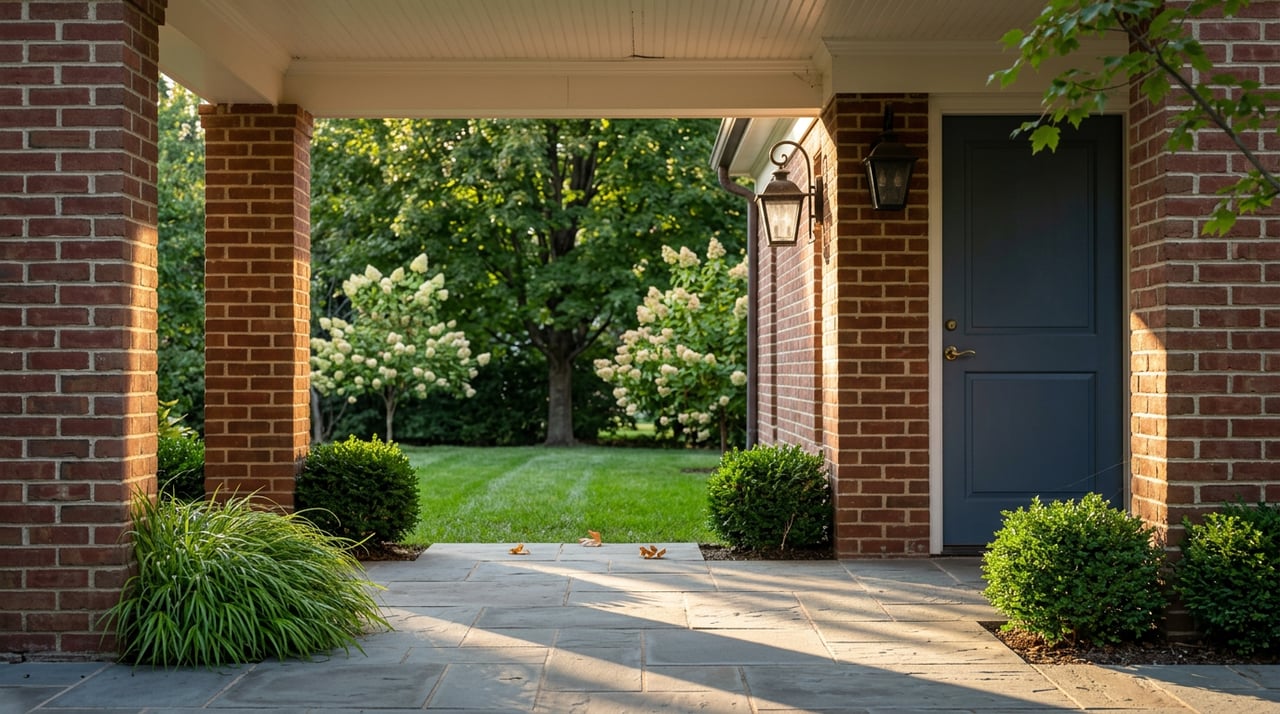
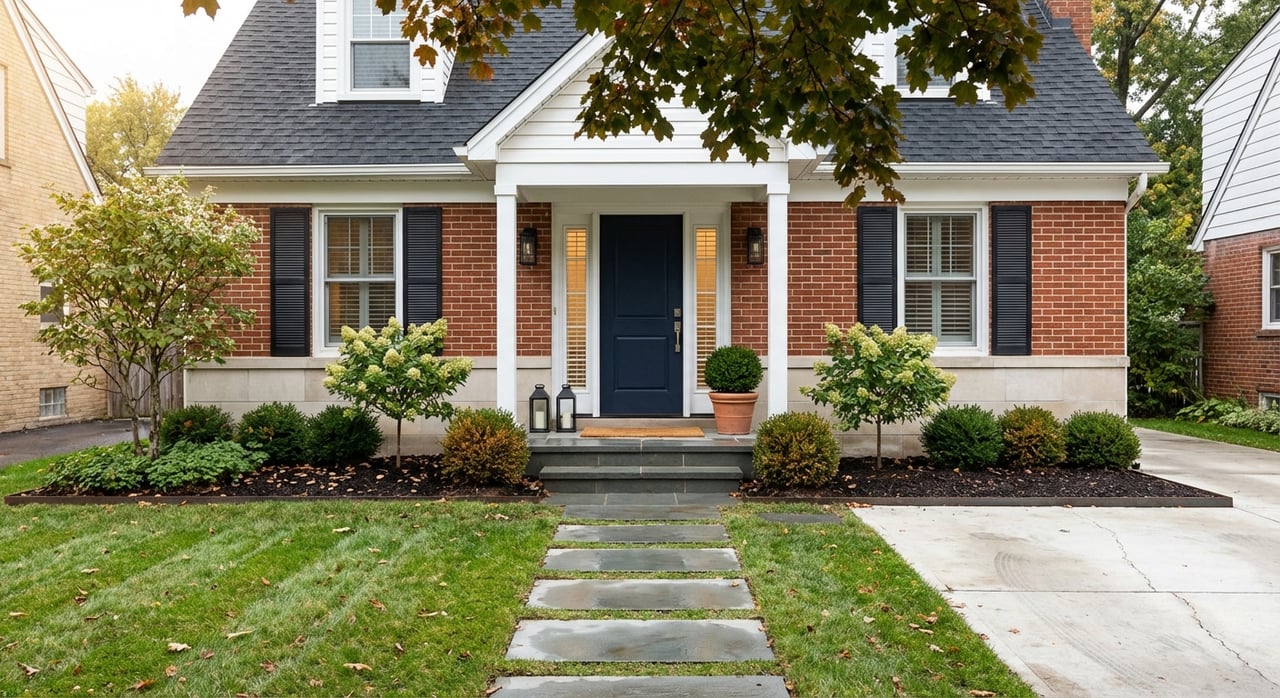
- Boost curb appeal. Mow and edge the lawn, trim shrubs, tidy beds, repaint or replace the mailbox, refresh the front door, and update house numbers and lights. First impressions matter both online and at the curb.
- Fix obvious items. Address broken windows, sagging gutters, missing shingles, and peeling trim paint. These repairs reduce buyer concerns and protect your price.
Systems and safety
- Service mechanicals. Have HVAC and the water heater checked or serviced. Keep receipts to show buyers that core systems are in good working order.
- Verify permits. In the Town of North Hempstead, confirm there are no open building or plumbing permits that could delay closing. Visit the Buildings Department page or ask your attorney or agent to run a permit search.
- Prepare disclosures. New York sellers of 1–4 family homes must deliver the Property Condition Disclosure Statement before a binding contract, as outlined in Real Property Law §462. If your home was built before 1978, comply with the federal lead-based paint disclosure rule, which includes providing the EPA/HUD pamphlet and allowing the buyer a testing window unless waived.
Stage and present
- Prioritize the living room, kitchen, and primary bedroom. NAR findings show these rooms have the greatest impact on buyers. Staging does not need to be expensive to be effective. Review the NAR research on staging benefits.
- Hire a professional photographer. Strong photos and, when appropriate, a virtual tour or 3D walk-through increase online views and speed up showings.
Tackle small repairs
- Patch nail holes and minor drywall cracks.
- Regrout or recaulk bathrooms.
- Replace burned-out bulbs and noisy fans, tighten doors and locks, and service appliances.
- These small steps help you avoid inspection punch lists and last-minute credits.
Smart updates with strong ROI
Focus on updates that improve condition and function without heavy structural work. Regional ROI studies consistently favor small, visible improvements over major luxury overhauls.
- Fresh, neutral interior paint. This is a quick way to create a move-in ready look with strong visual impact. NAR highlights painting as a high-ROI presentation upgrade in its staging report.
- Minor kitchen remodel. Refacing cabinets, updating hardware, installing a new countertop and faucet, and refreshing lighting can pay off. See national Cost vs. Value findings on top-performing projects.
- Bathroom refresh. A midrange update with a new vanity, fixtures, and selective tile work shows well and avoids moving plumbing. Review bathroom ROI patterns in the same Cost vs. Value overview.
- Curb appeal projects. A new garage door, a quality entry door, and modest landscaping or lighting often deliver strong results, especially in listing photos. These items frequently rank high in ROI studies, as noted by Cost vs. Value.
- Flooring. Refinish hardwood where possible. Replace worn carpet with a neutral option.
- Energy and comfort items. Clean HVAC filters, service AC and heat, and consider replacing an aging water heater if it is near the end of its useful life. Receipts help reassure buyers.
Estimated budgets and timelines vary by home and scope. Typical ranges cited in industry sources: interior paint for a 3–4 bedroom home may run $2,000 to $6,000 and take 3 to 7 days. A minor kitchen refresh often falls in the $8,000 to $30,000 range over 2 to 3 weeks. A midrange bath refresh can run $6,000 to $18,000 over 1 to 2 weeks. Professional staging is often a modest investment relative to potential price impact, and quality photography packages frequently run $200 to $500. See the NAR staging report and Cost vs. Value data for additional context.
Permits, disclosures, and closing steps
Selling in Albertson means aligning with New York and Town of North Hempstead requirements. Have these items ready before you go live.
- Property Condition Disclosure Statement. Deliver the form to buyers before a binding contract, as required by Real Property Law §462.
- Lead disclosure for pre-1978 homes. Provide the EPA/HUD pamphlet, disclose known information, and allow the buyer a 10-day testing option unless waived. See the EPA rule summary and forms.
- Open permits and COs. Confirm that past work has proper permits and that no permits remain open. Start with the Town’s Buildings Department portal.
- Taxes and prorations. Review your payment status, levy periods, and exemptions so your attorney can prorate correctly at closing. The Town provides closing information.
- Optional pre-listing inspection. A voluntary inspection can surface issues early, reduce surprises after contract, and support smoother negotiations. Consumer materials highlight inspection value for buyers and sellers; review a summary of benefits in this HUD-related resource.
Pricing, marketing, and timing
Pricing is your most important marketing decision. In tight Nassau markets, accurate, market-driven pricing attracts more buyers and shortens days on market. Overpricing can lead to fewer showings and reductions. For a useful regional perspective on timing and pricing discipline, see this Long Island market overview.
Your marketing order of operations should be simple and strong. Complete high-impact repairs, then paint and deep clean. Stage key rooms, hire a professional photographer, and consider a floor plan and virtual tour. NAR findings show that well-staged homes with quality media often sell faster and may draw stronger offers, as outlined in the NAR staging report.
Days on market vary by price band and week to week. County reporting through late 2025 and early 2026 shows single-family homes typically sell within multiple weeks, not months, with well-prepared homes often moving faster than the county median. Confirm current OneKey MLS data with your agent the week you list. For context on seller-leaning dynamics, revisit the regional snapshot.
A simple three-week prep timeline
- Week 0: Meet with your agent, order a comparative market analysis, decide your prep scope, and start a permit search. Begin gathering service records.
- Week 1: Declutter, deep clean, and handle small fixes. Collect quotes for any kitchen or bath refresh.
- Week 2: Complete interior paint or touchups. Do landscaping and front entry improvements. Book staging and photography.
- Week 3: Stage key rooms. Complete professional photos, a floor plan, and optional virtual tour. Finalize pricing and go live.
Albertson highlights to feature
- Commute access. Note proximity to the Albertson LIRR station and general drive times to major routes.
- Local schools. State the school district factually and confirm the correct zone for your address. You can reference district information, such as the Herricks overview, for neutral context.
- Parks and green space. Mention neighborhood amenities that many buyers enjoy, like nearby parks or botanical gardens.
- Condition and curb appeal. Emphasize recent updates, service records, and a welcoming front elevation.
Ready to talk strategy?
When you want a calm, hands-on partner to manage the details, price with precision, and market with polish, connect with Pat Gaglio. Schedule a free consultation to map out your timeline, budget, and best next steps for a confident sale.
FAQs
What disclosures must New York home sellers provide?
- You must deliver the Property Condition Disclosure Statement before a binding contract for 1–4 family homes, as outlined in Real Property Law §462. Homes built before 1978 also require federal lead-based paint disclosures.
Is home staging actually worth it for Albertson?
- NAR research shows staging shortens days on market and can increase offers, especially when you focus on the living room, kitchen, and primary bedroom; see the NAR staging findings.
Do I need to fix everything an inspector finds?
- No. You can disclose and sell as-is, but repairs or credits are common negotiation items. Pre-listing fixes reduce buyer leverage and last-minute issues.
How long do homes take to sell in Nassau County?
- It varies by price and condition, but recent county context shows multiple weeks is typical, with move-in ready homes often selling faster. Review a regional snapshot here: Long Island market overview.
How do open permits affect my sale in North Hempstead?
- Open permits can delay or complicate closing. Confirm permit status and close out any open items with the Town’s Buildings Department before going live.
Should I get a pre-listing home inspection?
- A voluntary inspection can surface issues early, lower renegotiation risk, and speed closing. Learn more about inspection value in this HUD-related consumer resource.