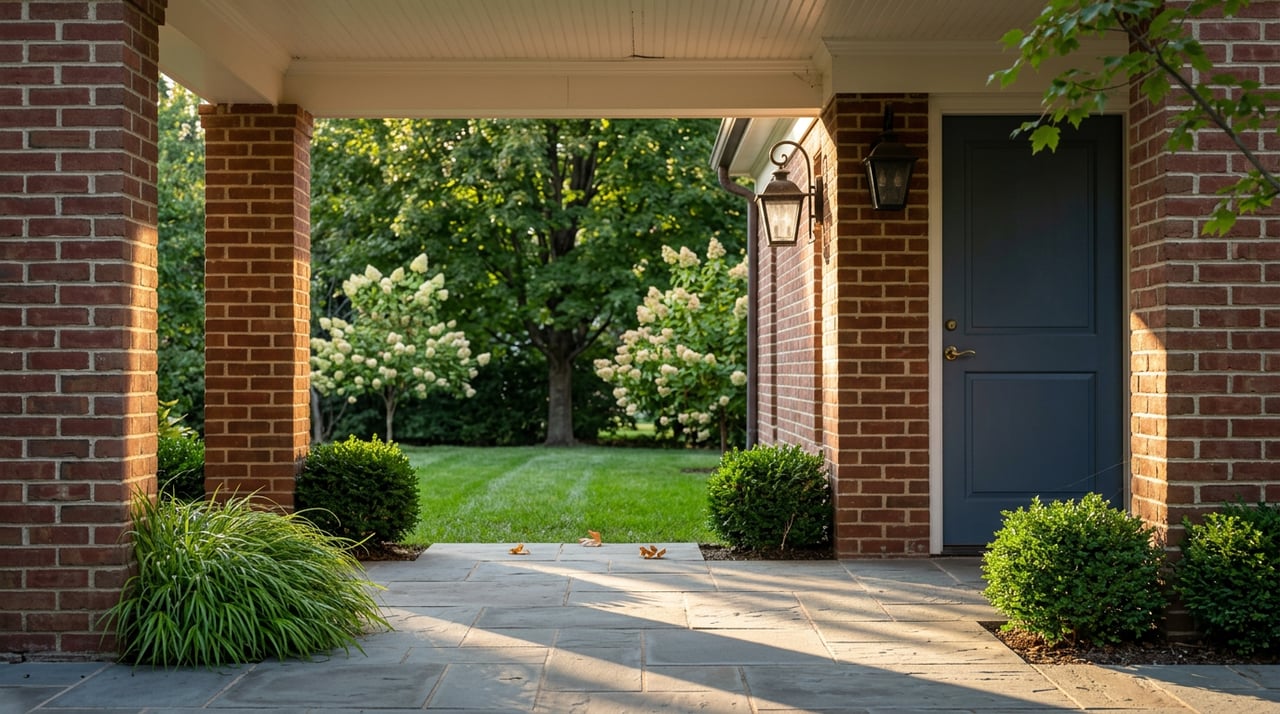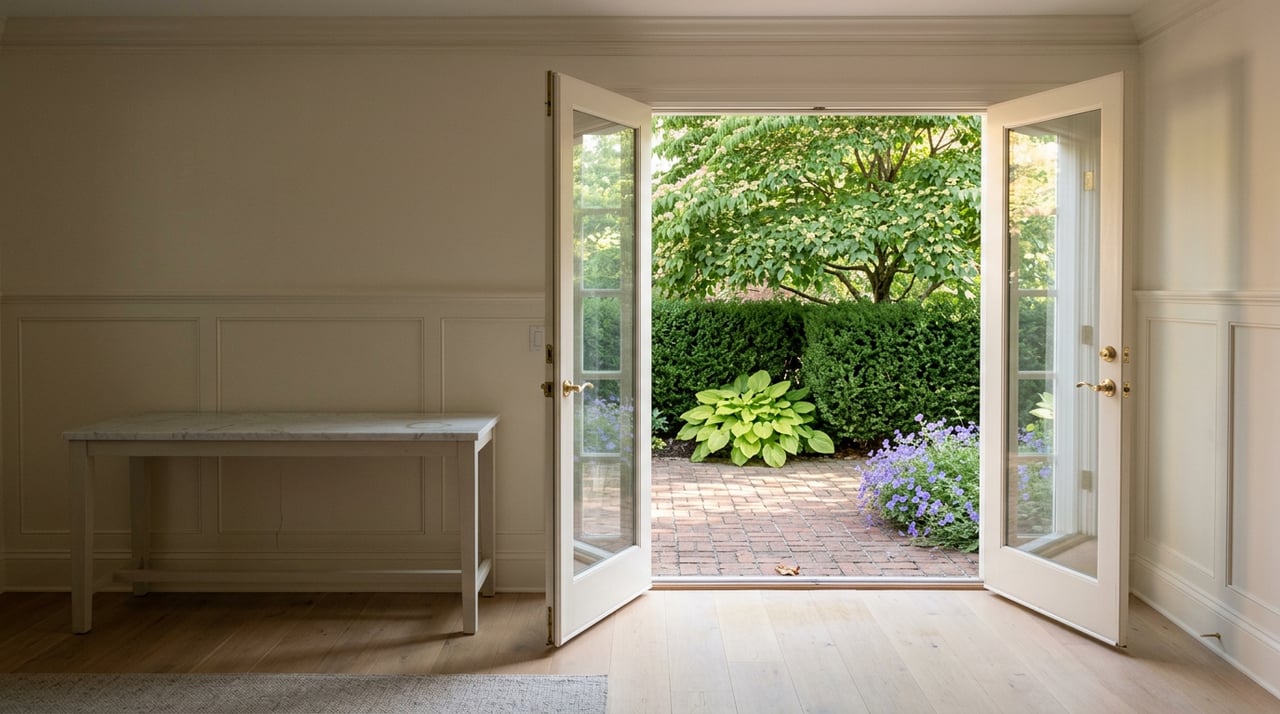
If you have lived in the same home for many years, selling it can feel like much more than a real estate transaction. You are not just preparing a property for the market. You are sorting through memories, making practical decisions, and trying to time the sale well in a market that still rewards thoughtful pricing and strong presentation. The good news is that with the right plan, you can make the process feel more manageable and more confident. Let’s walk through what to know when selling a longtime home in New Hyde Park.
Why longtime-home sales feel different
Selling a home you have owned for years often comes with extra layers. You may be downsizing, moving closer to family, handling an estate, or simply letting go of a place with decades of history.
That usually means the process takes more preparation than a typical move. In addition to pricing and marketing, you may need time to sort belongings, coordinate repairs, gather records, and decide what comes next.
New Hyde Park market conditions matter
Local market conditions suggest that sellers still need to be strategic. For the three months ending in April 2026, Redfin reported a median sale price in New Hyde Park of $769,603, down 10.5% year over year, with homes averaging 60 days on market.
At the same time, Realtor.com’s 11040 snapshot showed 59 homes for sale, a median listing price of $1.10 million, a median of 48 days on market, and a sale-to-list ratio of 98%. These sources use different methods, so the numbers are not meant to match exactly, but together they point to the same takeaway: pricing and presentation still matter.
What that means for your sale
If you are selling a longtime home, it helps to focus on recent comparable sales rather than nearby asking prices alone. In a market where homes may sit for several weeks and often sell below list price on average, buyers tend to respond best to homes that feel well prepared and realistically priced.
This is one reason many sellers want experienced guidance. Nationally, the 2025 Profile of Home Buyers and Sellers found that 91% of sellers used a real estate agent, and sellers most valued help with marketing, competitive pricing, and selling within a specific timeframe.
Start preparing earlier than you think
One of the biggest mistakes longtime owners make is underestimating how long prep will take. Realtor.com reported that 53% of sellers took one month or less to get ready to list, but it also noted that decluttering can take about a week per room.
If your home has been lived in and loved for many years, a rushed timeline can create unnecessary stress. Giving yourself extra lead time makes it easier to sort personal items, involve family members where needed, and make clear decisions without feeling overwhelmed.
Focus on visible, practical updates
You do not need to overhaul the entire house to make it market-ready. In many cases, modest but noticeable improvements can do more for buyer perception than a major renovation.
Common prep items include:
- Decluttering rooms, closets, and storage areas
- Removing personal photos and highly specific decor
- Touch-up paint in neutral tones
- Minor cosmetic updates
- Landscaping and basic exterior cleanup
- Addressing visible maintenance issues before buyers see them
For older homes in particular, obvious wear can shape first impressions. Checking roofs, gutters, windows, doors, leaks, standing water, siding, and exterior maintenance before showings can help you avoid surprises later.
Think of staging as clarity, not decorating
When people hear the word staging, they often picture expensive furniture or dramatic design changes. In reality, staging is often about making the home feel clean, open, and easy to understand.
The National Association of Realtors defines staging as cleaning, decluttering, repairing, depersonalizing, and updating the home so buyers can picture themselves living there. That approach is especially helpful in a longtime home, where meaningful personal touches may make it harder for buyers to focus on the space itself.
Simple staging priorities
For many New Hyde Park sellers, the most effective staging steps are straightforward:
- Clear off crowded surfaces
- Remove extra furniture that makes rooms feel smaller
- Store family photos and personal collections
- Open window coverings to bring in light
- Use simple, neutral bedding and towels
- Keep kitchens and baths especially clean and uncluttered
These steps help your home feel cared for without erasing its character. The goal is not to make it look generic. The goal is to help buyers see the room sizes, layout, and condition more clearly.
Gather paperwork before the home goes live
For longtime owners, paperwork can take longer than expected. New York’s current property condition disclosure form asks sellers to think about issues that are especially relevant to older homes and long periods of ownership.
That includes questions about lead-based paint concerns in pre-1978 homes, floodplain status, flood insurance, prior flood assistance, fuel tanks, asbestos, lead plumbing, radon, mold, and hazardous substance releases. The form also advises sellers to gather public records and supporting documents early.
New York disclosure rules to know
Under New York’s Property Condition Disclosure Act, sellers of most residential one-to-four family homes must deliver the disclosure statement before the buyer signs a binding contract. The form is based on your actual knowledge, is not a warranty, and should be updated if you later learn something material was inaccurate before the transfer.
If you are selling as part of an estate or trust-related situation, the rules may be different. New York law includes exemptions for certain transfers by fiduciaries in the administration of a decedent’s estate, as well as some other non-standard transfer types.
Understand the closing timeline
Many sellers hope the process will move quickly once the home is listed, but that is not always how a sale unfolds. Realtor.com notes that the full home-selling process often takes at least a month and more typically about three months when prep and closing are included.
After an offer is accepted, the closing phase is often 30 to 45 days for financed deals and 10 to 14 days for cash transactions. If you need extra time after closing, post-closing occupancy or a negotiated move-out period may also be part of the conversation.
Nassau County closing details matter
In Nassau County, paperwork accuracy is an important part of the timeline. County Clerk guidance notes that deeds, mortgages, and satisfactions are recorded there, and documents can be rejected if required details are incomplete.
That includes items such as section, block, lot, and unit numbers, acknowledgments, and accompanying forms. In practical terms, this means your closing should be treated as an organized process, not a last-minute paperwork scramble.
Know the transfer tax basics
For Nassau County closings, New York State real estate transfer tax applies to conveyances over $500 at a rate of $2 for each $500 of consideration. The base tax is generally paid by the seller.
New York also imposes a 1% mansion tax on residential sales of $1 million or more, which is generally paid by the buyer unless the contract says otherwise or payment issues shift responsibility. Since New Hyde Park listings can cross that threshold, it is worth understanding early how those costs may apply to your transaction.
Launch with purpose, not guesswork
A longtime home usually gets one first impression when it hits the market. That is why the best strategy is to complete pricing, repairs, disclosures, cleaning, and photos before launch rather than trying to fix things while the listing is already active.
Realtor.com identified April 12 through 18 as the national best week to list in 2026, but the bigger lesson is not to wait for one perfect week. It is to be ready when you launch so your home enters the market in its strongest condition.
What strong marketing should do
Seller expectations should go beyond simply putting the home online. Nationally, sellers consistently say they value marketing support, competitive pricing, and help meeting their timeframe.
For a longtime home in New Hyde Park, strong marketing often starts with:
- Professional photos
- A clean, polished presentation
- Clear pricing based on recent comparable sales
- Thoughtful showing preparation
- Consistent communication once buyer feedback starts coming in
This is where a high-touch approach can make a real difference. Selling a longtime home often involves practical details, emotional decisions, and timing concerns all at once. Having a steady local advisor can help you move through each phase with less stress and better clarity.
A steady plan can make the move easier
Selling a longtime home in New Hyde Park is rarely just about putting a sign in the yard. It is about preparing the home thoughtfully, pricing it with the current market in mind, handling disclosures carefully, and creating a plan that respects both your timeline and your next chapter.
With a calm, organized approach, you can make smart decisions without feeling rushed. And when you have the right guidance, the process becomes less about uncertainty and more about moving forward with confidence.
If you are thinking about selling a longtime home in New Hyde Park and want personal, hands-on guidance, Pat Gaglio can help you build a thoughtful strategy from pricing through closing.
FAQs
What should you fix before selling a longtime home in New Hyde Park?
- Focus first on visible issues such as touch-up paint, clutter, landscaping, leaks, doors, windows, gutters, and other obvious maintenance items that can affect buyer impressions.
How long does it take to sell a home in New Hyde Park?
- Local market snapshots showed homes taking roughly 48 to 60 days on market, and the full process often takes longer once preparation and closing are included.
What disclosures are required when selling a home in New York?
- Sellers of most one-to-four family homes must provide New York’s property condition disclosure statement before the buyer signs a binding contract, based on the seller’s actual knowledge.
Are estate sales in New York handled differently from standard home sales?
- Yes. Certain fiduciary transfers, including some decedent estate situations, are exempt from the standard property condition disclosure requirement under New York law.
Who pays transfer tax when selling a home in Nassau County?
- The New York State transfer tax is generally paid by the seller, while the 1% mansion tax on residential sales of $1 million or more is generally paid by the buyer.
How do you prepare emotionally to sell a home you have owned for many years?
- Giving yourself extra time to sort belongings, involve family if needed, and plan the move in stages can make the transition feel more manageable.