Wondering whether a cul-de-sac in Searingtown is a smart lifestyle fit or just a nice-sounding listing detail? If you are drawn to quieter streets, a more tucked-away feel, and convenient access to the broader North Shore, this is one feature worth looking at closely. The good news is that cul-de-sac living can offer real advantages, but it also comes with tradeoffs that are easy to miss if you only look at photos. Let’s dive in.
Why Cul-De-Sacs Stand Out
In a compact community like Searingtown, street layout can shape your day-to-day experience more than you might expect. According to the U.S. Census QuickFacts for Searingtown, the CDP had 5,044 residents in 2020, covers just 0.93 square miles of land, and has an owner-occupied housing rate of 96.7%.
That small footprint means block design matters. If you are comparing homes on an interior cul-de-sac with homes on a more connected through street, you may notice a real difference in traffic flow, noise, and how private the block feels.
What Buyers Often Like
Cul-de-sacs have long appealed to buyers who want a calmer setting. Research from Wharton notes that the cul-de-sac pattern has been widely accepted and can offer quiet streets, less invasive layouts in sensitive areas, and preservation of open space.
For many buyers, that translates into a few practical benefits:
- Less passing traffic
- Fewer cut-through cars
- A quieter-feeling block
- A more secluded residential feel
In Searingtown, that appeal can be especially strong if you want a residential setting without feeling far removed from major routes. Christopher Morley Park sits on Searingtown Road near Long Island Expressway access, and Nassau County notes that the park trail begins at the Searingtown Road entrance and passes the dog run, woods, baseball fields, and playground. The Town of North Hempstead also lists Searingtown Pond Park at Dogwood and Searingtown Roads.
For you as a buyer, that means a quiet block does not necessarily mean giving up access to outdoor space or key roads.
Quiet Streets Come With Tradeoffs
A cul-de-sac can feel more peaceful, but it also creates a less connected street pattern. The EPA explains that connected street networks can improve emergency access by giving responders multiple route options, while systems dominated by cul-de-sacs often require longer travel distances.
The Federal Highway Administration also notes that fully closed street designs eliminate through traffic, but they can also affect emergency access, response times, and accessibility for nearby properties. In simple terms, the same layout that can make a block feel more private may also make your routes in and out less direct.
What This Means In Daily Life
Before you make a cul-de-sac a must-have, think about how you actually move through your week. If your routine depends on direct routing and multiple ways in and out, a more connected street may work better for you.
On the other hand, if your top priorities are lower traffic and a more tucked-away setting, a cul-de-sac may be worth prioritizing. The key is to treat it as a design tradeoff, not an automatic upgrade.
Check The Lot, Not Just The Street
One common mistake is assuming a cul-de-sac always means a bigger or more usable yard. That is not always the case.
Parcel shape, the location of the turnaround, and any easements can all affect how much of the lot is actually useful. A home may sit on what looks like a premium cul-de-sac location, but the lot lines can narrow sharply or curve in ways that change how the backyard functions.
That is why a map-first approach matters. Nassau County’s Land Records Viewer provides tax maps, parcel maps, GIS-linked property information, and comparable sales data, which can help verify the exact lot shape and street pattern before you get too attached to a property.
Know The Difference Between Similar Street Types
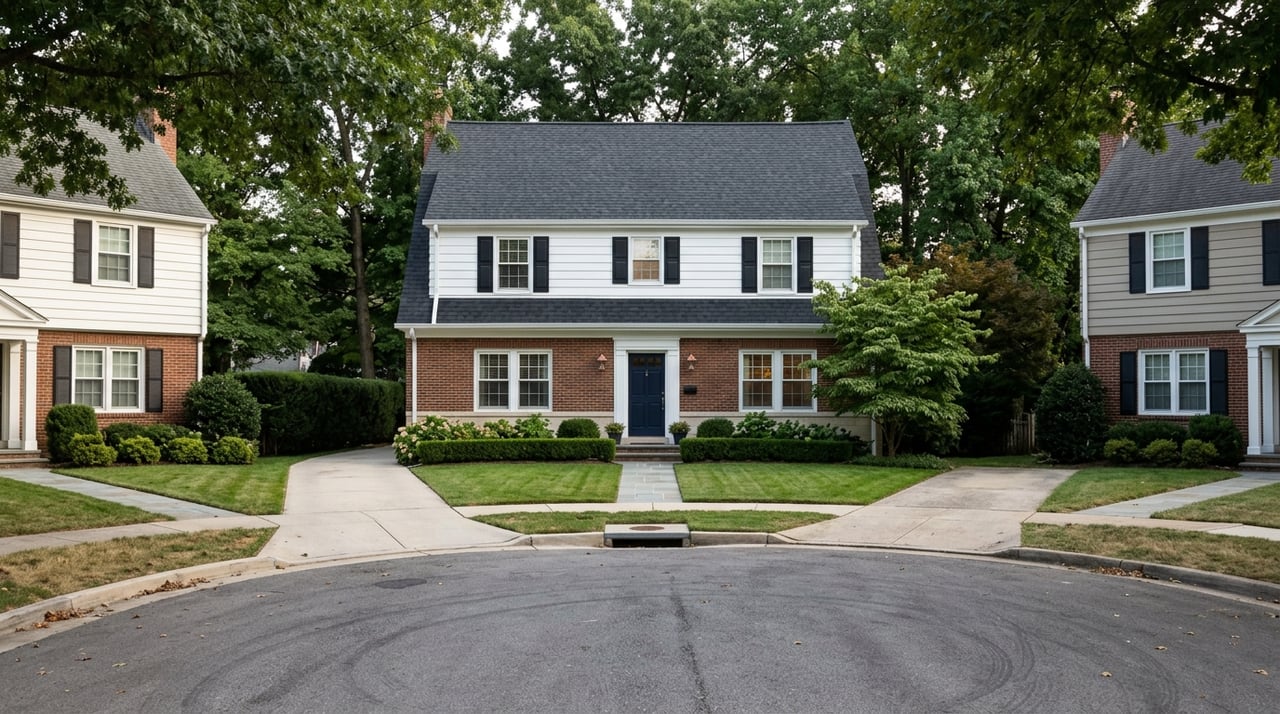
Not every street that looks like a cul-de-sac functions like one. In listing photos or quick online map views, a curved street, a dead end, and a true cul-de-sac can appear similar.
That difference matters. A true cul-de-sac includes a turnaround, while another block may simply terminate without the same design or access pattern. If you are serious about a home, ask for confirmation rather than relying on the marketing description alone.
Understand Nassau County Rules
Local rules add more context. Nassau County’s subdivision regulations discourage cul-de-sac or dead-end streets in new subdivision design.
When cul-de-sacs are allowed, the county states they may not exceed 250 feet in length and must include a turnaround with at least a 40-foot curb-line radius. The same regulations also say street layouts should support fire protection, traffic movement, utility access, and safe pedestrian accessibility.
For you, this reinforces an important point: cul-de-sac living can be appealing, but it should be evaluated with both comfort and function in mind.
Questions To Ask Before You Buy
If you are considering a home on a cul-de-sac in Searingtown, ask a few specific questions early in the process:
- Is the road public or private?
- Is the turnaround dedicated?
- Could the block ever be extended or connected in the future?
- What does the parcel map show for lot shape and dimensions?
- Are there easements that affect usable yard space?
These questions are grounded in the county rules and mapping tools available to buyers. They can help you avoid surprises after you are already emotionally invested.
How To Compare Two Searingtown Homes
If you are deciding between a cul-de-sac home and one on a more connected street, use a simple framework:
| Priority | Cul-de-sac block | Connected street |
|---|---|---|
| Traffic flow | Often lower | Often higher |
| Route options | More limited | More direct |
| Block feel | More secluded | More connected |
| Emergency access pattern | Fewer route options | More route options |
| Lot assumptions | Must verify parcel shape | Must verify parcel shape |
This kind of side-by-side comparison keeps the decision practical. It also helps you focus on what fits your lifestyle instead of chasing a feature that may or may not improve the way you live.
The Bottom Line For Searingtown Buyers
In Searingtown, cul-de-sac living can be a strong fit if you value lower traffic, a quieter block, and a more secluded feel. That can be especially appealing in a compact, largely owner-occupied community with access to parks and major roads nearby.
At the same time, buyers who care most about direct routing, multiple access points, and street connectivity should compare options carefully before making a cul-de-sac non-negotiable. The best move is to verify the street pattern, review the parcel map, and weigh the tradeoffs based on how you actually plan to live.
If you want help comparing Searingtown homes block by block and making sense of what a street layout really means for resale, convenience, and daily life, connect with Pat Gaglio. You will get thoughtful, local guidance and a clear strategy tailored to your goals.
FAQs
What does cul-de-sac living in Searingtown usually offer buyers?
- Cul-de-sac living in Searingtown often appeals to buyers looking for less passing traffic, fewer cut-through cars, and a quieter-feeling residential block.
What are the downsides of buying on a cul-de-sac in Searingtown?
- The main tradeoff is reduced street connectivity, which can mean less direct routes in and out and fewer route options for access compared with a more connected street network.
How can buyers verify a true cul-de-sac in Nassau County?
- Buyers can use Nassau County’s Land Records Viewer to check parcel maps and street layouts, since a curved street, dead end, and true cul-de-sac can look similar in listing photos.
Does a cul-de-sac lot in Searingtown always mean a bigger backyard?
- No, a cul-de-sac location does not automatically mean more usable yard space because lot shape, turnaround placement, and easements can affect how the property actually functions.
What local rules affect cul-de-sacs in Nassau County?
- Nassau County discourages cul-de-sac and dead-end streets in new subdivisions, and when they are allowed, they must meet standards including maximum length and turnaround design requirements.
Should buyers prioritize a cul-de-sac home in Searingtown?
- That depends on your lifestyle, since buyers who value a quieter setting may want to prioritize cul-de-sacs, while buyers who want more direct routing may prefer more connected streets.