Want your Mineola home to help pay for itself? If you are a first-time buyer or investor-minded homeowner, live-in investing can reduce your monthly costs and build equity faster. You just need a clear plan, the right property type, and a firm handle on local rules. In this guide, you’ll learn the house-hacking paths that work in Mineola, how financing can support 2–4 unit purchases, what to check with the Village, and a simple due-diligence checklist to move forward with confidence. Let’s dive in.
Why Mineola fits live-in investing
Mineola’s zoning code recognizes two-family and small apartment districts, which means you can find properties that already support multiple units. The Village identifies R-3 as two-family districts, and R-4 and R-5 as apartment districts. Always confirm a parcel’s zoning and legal use with the Village and the code text before you bid. You can review district definitions in the Village code of ordinances. See the zoning chapters and definitions at the Village’s online code resource in Chapter 550 Zoning and related sections (Village of Mineola zoning code).
Market context helps your math. As of January 2026, industry trackers reported a Mineola median sale price near 685,000 dollars (Redfin, Jan 2026) and a typical value around 802,661 dollars (Zillow ZHVI, Dec 31, 2025). Zillow’s observed rent index placed area asking rents in the low thousands and around 3,739 dollars in late January 2026. Use current listings and sold comps to refine your assumptions. Nassau County property taxes are a meaningful carrying cost, so pull the parcel’s assessment and tax history early (Nassau County assessment and records viewer).
Four house-hack paths in Mineola
Buy a 2–4 unit and live in one
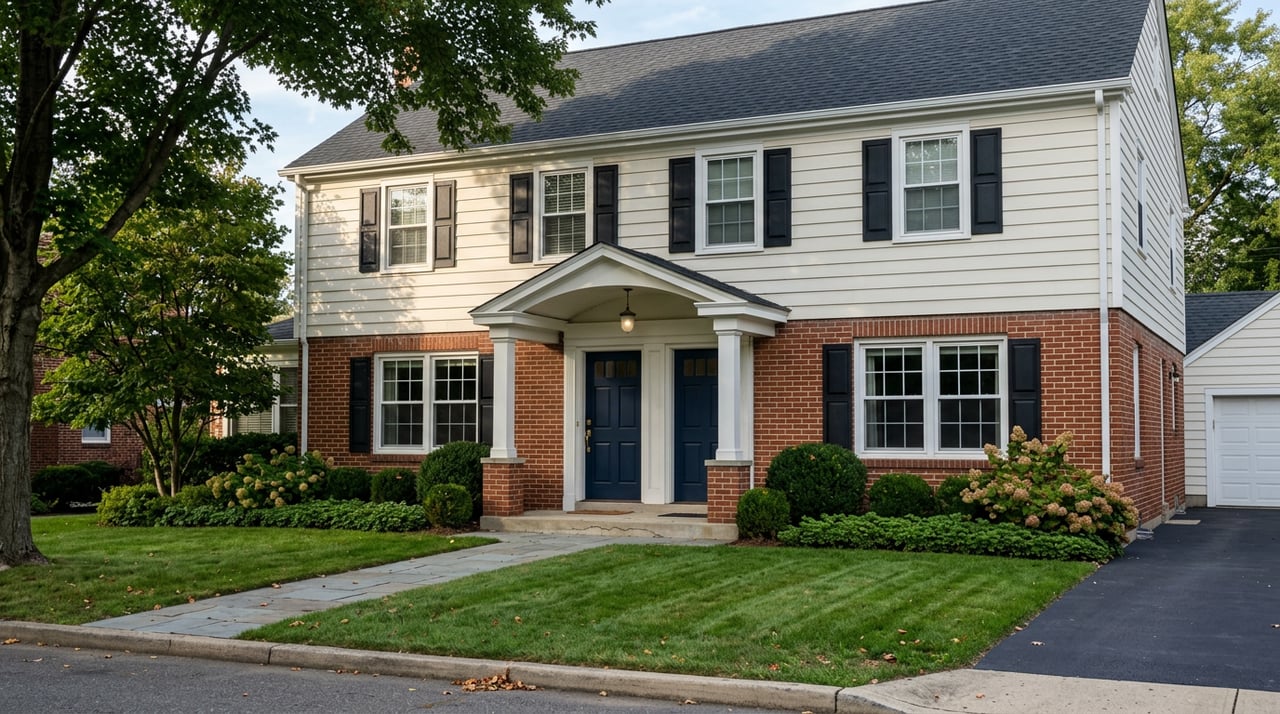
A duplex, triplex, or fourplex is the classic house-hack. You occupy one unit and rent the others. In Mineola, small multi-family use appears in R-3, R-4, and R-5 districts, but you must verify the lot’s exact zoning and that the certificate of occupancy matches the building’s current setup. Start with the zoning code, then confirm details with the Building Department (Village of Mineola zoning code).
Financing can make this strategy more accessible. FHA insures loans for 1–4 unit owner-occupied properties and may allow some rental income to count toward qualifying, subject to documentation and appraisal requirements (HUD FHA single-family info). Industry reporting also notes that Fannie Mae permits as little as 5 percent down for owner-occupied 2–4 unit purchases. Always confirm current lender overlays, reserves, and county loan limits for Nassau before relying on this option (Fannie Mae 5 percent down overview).
One critical local check is rent regulation. New York State Homes and Community Renewal lists Mineola among Nassau County municipalities tied to Emergency Tenant Protection Act oversight. If a property has apartment units, pull the rent registration history and verify whether any unit is regulated, since those rules impact cash flow and owner obligations (DHCR rent regulation resources).
Condo plus rentable parking or a room
If you prefer lower maintenance, a condo can work when you can legally rent an extra parking space or a room. The income is usually smaller than a full unit, but the effort and construction risk are low. Policies vary widely by building. Review the condo bylaws, offering plan, and any board policies about subletting and parking. Parking that is deeded can be treated differently from assigned parking for both financing and leasing, so clarify the details with your lender and the HOA (Fannie Mae selling guide).
Single-family with accessory space
Another path is buying a single-family home and creating a legal accessory space, such as a basement apartment or converted garage room. In Mineola, any conversion that adds plumbing, electrical, or structural changes will require permits. The Village’s online code does not show a dedicated accessory dwelling unit definition or streamlined ADU ordinance, so conversions are typically handled through change-of-use reviews and building permits. Contact the Building Department early to discuss feasibility and required inspections (Mineola Building Department).
The Village also ran a Building Permit Amnesty program in 2023 to help owners legalize prior unpermitted work. Use that as a reminder to check a property’s permit history and certificate of occupancy during due diligence (Permit Amnesty announcement).
Rent a room in an owner-occupied home
Renting one or more rooms is a simple way to lower carrying costs without creating a separate dwelling unit. Still, confirm local occupancy rules. The Mineola code defines “family,” sets presumptions for separate dwelling units, and outlines parking and zoning standards. Ask the Building Department to clarify how the Village treats multiple unrelated adults in a single-family home and whether any license or limits apply (Village of Mineola zoning code).
Run the numbers carefully
Your return depends on purchase price, down payment, rate, projected rents, taxes, insurance, utilities, maintenance, vacancy, and any HOA fees. Use dated market references and local comps for your assumptions. For context only, industry trackers reported Mineola’s average asking rent near 3,739 dollars in late January 2026. Your actual rent will vary by unit size, condition, parking, and location.
A simple framework to estimate monthly cash flow:
- Monthly inflows: Tenant rent(s) + parking or storage income + roommate rent.
- Monthly outflows: Principal and interest at your locked rate + property taxes + insurance (landlord or condo policy as needed) + utilities not reimbursed by tenants + HOA fees + routine maintenance + a vacancy allowance.
- Net housing cost: Outflows minus inflows. If positive, that is your monthly cost after rental offset. If negative, the asset may cash flow after debt service.
Before offering, price-test your assumptions with your lender, agent, and a local insurance broker. In Nassau County, property taxes can be a swing factor, so pull the parcel’s assessment and tax history every time (Nassau County assessment and records viewer).
Due-diligence checklist for Mineola buyers
Use this list with your agent, lender, and attorney.
- Confirm zoning and permitted use. Pull the parcel’s zoning designation and read the relevant district rules in Chapter 550. Verify whether the lot is in R-3, R-4, or R-5 and what that allows (Village of Mineola zoning code).
- Pull the Building Department file. Request certificates of occupancy and prior permits. Note any unpermitted work and ask about paths to legalization if needed (Mineola Building Department).
- Check DHCR registration. For any multi-unit property, review rent registration history and whether any unit is rent regulated, since that controls renewals, increases, and notices (DHCR rent regulation resources).
- For condos. Request bylaws, offering plan, subletting policies, parking rules, and recent board minutes. Clarify whether parking is deeded or assigned and whether leasing is allowed (Fannie Mae selling guide).
- Verify utilities and systems. Ask about separate utility meters, boilers, and hot water heaters. Separate systems simplify billing and tenant responsibilities.
- Confirm financing options. Ask about FHA for 1–4 units and owner-occupied conventional options that may allow as little as 5 percent down for 2–4 units. Confirm any overlays, reserves, and Nassau County loan limits (HUD FHA single-family info; Fannie Mae 5 percent down overview).
- Model cash flow. Build a realistic pro forma that includes PITI, HOA (if any), insurance, maintenance, and a vacancy reserve. Use recent Mineola rental comps and your lender’s rental income treatment.
- Planning a conversion. Schedule a preliminary feasibility call with the Building Department and a licensed contractor to review egress, ceiling height, fire separation, and parking requirements (Mineola Building Department).
- Short-term rentals. Confirm Village rules and HOA policies before considering any short-term leasing. Many associations and municipalities prohibit it (Mineola Building Department).
- Retain a local attorney. Have them review deeds, use restrictions, condo offering plans, and DHCR registrations.
Hypothetical Mineola examples
The following scenarios are illustrative only. Use your lender’s current rates and your agent’s comps to update the numbers.
Duplex at a median price point
- Assumptions: Purchase price 685,000 dollars (Mineola median as of Jan 2026, Redfin). Owner occupies one unit and rents the second. Lender allows a portion of projected rent to count in qualifying. Taxes, insurance, and utilities vary by parcel.
- Income: One leased unit at your local market rent, plus any separately leased parking if allowed.
- Costs: Principal and interest at your locked rate, property taxes, insurance, maintenance, and a vacancy reserve.
- Result: Your net housing cost equals total monthly costs minus the second unit’s rent. If you can legally increase rent over time and maintain the building, your out-of-pocket cost may decrease as rents grow and your loan amortizes.
Condo with a rentable parking space
- Assumptions: You buy a Mineola condo where bylaws permit leasing a deeded or assigned parking space and occasional subletting.
- Income: Monthly parking rent or a roommate’s rent if allowed by the HOA.
- Costs: Mortgage, taxes, insurance, and HOA fees. Confirm how the HOA treats parking income and whether any rental caps apply.
- Result: Smaller offset than a full rental unit but low maintenance and minimal construction risk. Always verify HOA rules before you rely on this income (Fannie Mae selling guide).
Single-family with a legal basement rental
- Assumptions: You purchase a single-family home and plan a code-compliant basement conversion. You apply for permits and obtain final inspections.
- Steps: Meet the Building Department to confirm egress, ceiling height, fire separation, and parking requirements, then hire a licensed contractor. After approvals, update the certificate of occupancy and lease to a long-term tenant (Mineola Building Department).
- Considerations: Higher up-front costs but the potential for strong rental income. Expect changes in assessment and property taxes, plus a landlord-type insurance policy.
Financing basics for owner-occupants
- FHA for 1–4 units. FHA insures loans on 1–4 unit properties when you occupy one unit as your primary residence. Some rental income may be used in qualifying if you meet documentation and appraisal standards. Check the latest Nassau County loan limits before you set your target price (HUD FHA single-family info).
- Conventional with reduced down payment. Industry sources report that Fannie Mae permits as little as 5 percent down for owner-occupied 2–4 unit purchases, which significantly lowers the cash barrier. Confirm program availability, reserves, and maximum loan amounts with your lender (Fannie Mae 5 percent down overview).
- Insurance and tax planning. If you rent a unit or a room, you will likely need landlord coverage or an HO-6 tailored to rentals for condos. Budget for Nassau County property taxes and verify parcel history early (Nassau County assessment and records viewer).
Common Mineola pitfalls to avoid
- Assuming a two-family is legal without checking. Always match the certificate of occupancy to the actual layout and confirm zoning district rules (Village of Mineola zoning code).
- Overlooking rent regulation risk. If a building has multiple units, verify DHCR registration and whether any unit is stabilized. Regulated units change rent increases, notices, and renewals (DHCR rent regulation resources).
- Skipping HOA fine print. For condos, confirm rental caps, minimum lease terms, and parking rules before you count on that income (Fannie Mae selling guide).
- Starting a conversion without permits. Talk to the Building Department first. Unpermitted work can delay refinances or sales and create safety risks (Mineola Building Department).
Ready to map the right live-in investment strategy to your budget and goals in Mineola? Get a tailored game plan, vetted property options, and introductions to lenders and contractors who understand 2–4 unit and accessory-space purchases. Schedule a free consultation with Pat Gaglio today.
FAQs
What Mineola zoning allows two-family homes?
- The Village identifies R-3 Districts for two-family use, with R-4 and R-5 for apartment types. Confirm the parcel’s zoning and permitted uses in Chapter 550 and verify the certificate of occupancy with the Building Department (Village of Mineola zoning code).
How does rent regulation affect a Mineola duplex purchase?
- If any unit is rent regulated, rent increases, renewals, and notices follow DHCR rules, which impact cash flow and owner obligations. Always pull DHCR registration history before you buy (DHCR rent regulation resources).
Can I buy a triplex with a low down payment as an owner-occupant?
- FHA insures loans for 1–4 unit owner-occupied properties, and industry sources report Fannie Mae allows 5 percent down for owner-occupied 2–4 units. Confirm current lender overlays and Nassau County loan limits (HUD FHA single-family info; Fannie Mae 5 percent down overview).
Do I need permits to convert a Mineola basement into a rental?
- Yes. Conversions that add or modify plumbing, electrical, or structure require permits and inspections, and may trigger a certificate of occupancy update. Contact the Building Department early for feasibility and requirements (Mineola Building Department).
How do Nassau County property taxes affect a house-hack budget?
- Taxes are a significant part of monthly carrying costs. Pull the parcel’s assessment and tax history, then include taxes in your pro forma alongside mortgage, insurance, HOA, maintenance, and a vacancy reserve (Nassau County assessment and records viewer).