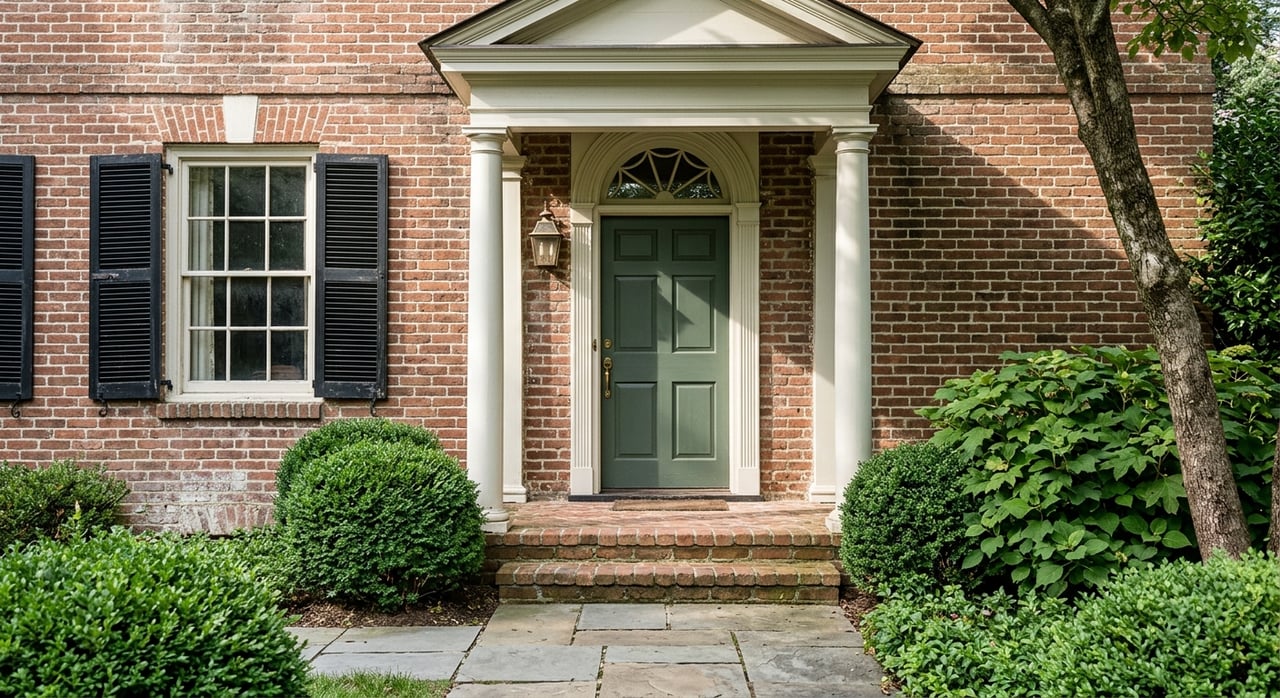
Older homes can be some of the most rewarding properties to own in East Williston, but they also ask more of you. If you love original details, established streetscapes, and the feel of a home with history, you also need to think about upkeep, permits, and smart renovation choices. This guide will help you understand what to watch for, what to prioritize, and how to protect both comfort and resale value. Let’s dive in.
Why older homes stand out in East Williston
East Williston has a long history, with the area taking the name East Williston in 1879 and the incorporated village dating to 1926. That history still shows up in the housing stock, especially in the village’s older core. For many buyers and owners, that sense of continuity is part of the appeal.
The East Williston Village Historic District is listed on the National Register of Historic Places. New York State explains that historic districts are defined by the historical and physical relationships among their properties, which matters when you are thinking about updates, repairs, or changes to curb appeal.
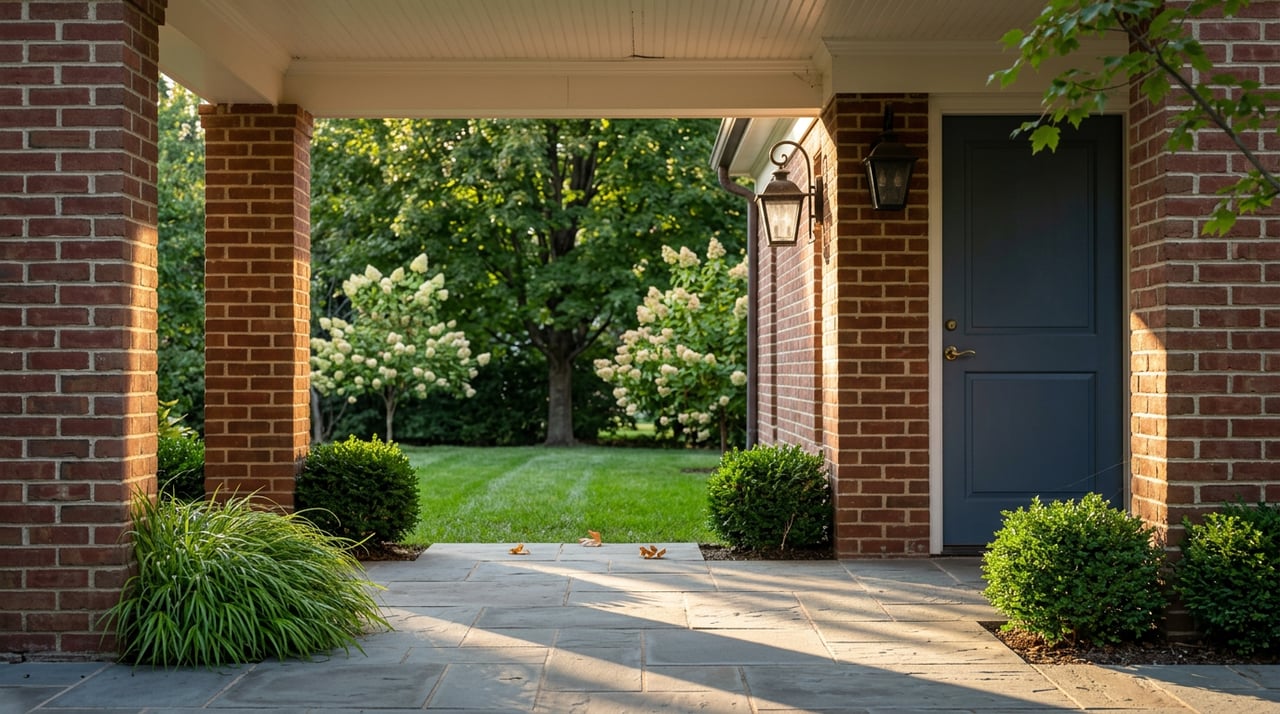
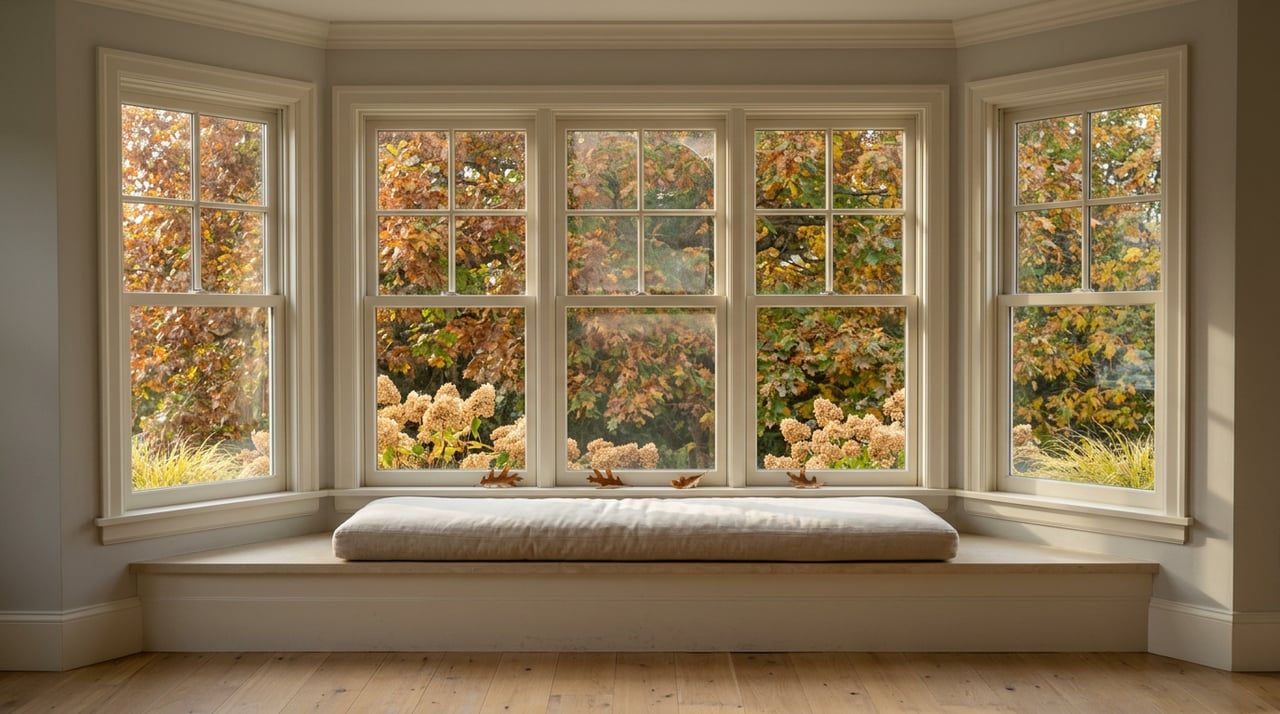
The district nomination describes a largely intact late-19th- and early-20th-century area, with most buildings constructed between 1878 and 1925. You will often see wood-frame homes with clapboard or shingle siding, porches, bay windows, decorative brackets, and rear carriage barns, along with Victorian Italianate, Eastlake, Colonial Revival, and late Gothic Revival influences.
East Williston also remains a predominantly owner-occupied, single-unit housing market, based on Census Reporter data showing 853 housing units. In practical terms, that means many homes are still used and maintained as single-family residences rather than being part of a more apartment-heavy housing mix.
What older East Williston homes need most
When you own an older home here, the biggest maintenance demands often come from the outside of the house. In East Williston’s older housing stock, that usually means the roof, flashing, siding, trim, porches, windows, and rear outbuildings or carriage-barn-style structures need careful attention over time.
That pattern makes sense given the district’s building types and materials. Wood-frame homes with decorative exterior details can be beautiful, but they also have more surfaces and features exposed to weather and moisture.
If you are deciding where to spend money first, focus on the building envelope before cosmetic updates. A home that is dry, sealed, and structurally protected usually feels better to live in and presents better when it is time to sell.
Focus on the building envelope
The building envelope includes the outer shell of the house, such as the roof, exterior walls, windows, doors, and trim. In an older East Williston home, small issues in these areas can lead to larger problems if they are ignored.
For example, aging roof materials, failing flashing, worn porch components, or deteriorated siding can allow water and air to enter where they should not. Once moisture gets in, repairs often become more expensive and more disruptive.
Watch for moisture and air leaks
The U.S. Department of Energy says reducing air leakage is a cost-effective way to cut heating and cooling costs, improve durability, increase comfort, and support a healthier indoor environment. In an older home, drafts around windows, doors, attic areas, and wall penetrations can make the house less comfortable year-round.
Moisture control matters just as much. If you improve insulation without addressing leaks or damp conditions first, you may not get the comfort or durability benefits you expect.
A smart renovation order
If you are planning work on an older East Williston home, the order of improvements matters. A practical sequence is to fix envelope and moisture issues first, then improve insulation, address duct losses and thermostat controls, and move to finish upgrades after those essentials are in better shape.
That approach helps you avoid spending money on surfaces before the structure and systems are working properly. It also makes later improvements feel more effective because the home is already tighter, drier, and more stable.
Step 1: Fix exterior and moisture issues
Start with the parts of the house that keep weather out. That can include roof repairs, flashing, siding, trim, porch components, window maintenance, and any signs of water intrusion.
If the home has a rear dependency or carriage-barn-style structure, do not overlook it. These secondary structures can also affect maintenance costs, property condition, and buyer perception.
Step 2: Improve air sealing and insulation
The Department of Energy says insulation helps lower heating and cooling costs and improves comfort, especially when paired with air sealing and moisture control. In older homes, those pieces work together.
If your home feels drafty in winter or uneven in summer, sealing leaks and improving insulation may do more for day-to-day comfort than a purely cosmetic remodel. These upgrades can also help the house feel better maintained to future buyers.
Step 3: Fine-tune systems and finishes
After the shell of the home is performing better, it makes more sense to move on to interior finishes and system-related improvements. This can help you avoid redoing work later if walls, ceilings, or flooring need to be opened for repairs.
From a resale perspective, buyers often respond well to homes that feel solid, dry, and easy to maintain. In older East Williston homes, that tends to be more valuable than changes that strip away original character.
Preserve character where you can
In East Williston’s historic core, original proportions, porch profiles, and exterior materials are part of what gives the area its identity. The district’s significance comes from intact scale, original lots, and architectural relationships among properties.
That means thoughtful updates usually fit better than a complete stylistic reset. You do not need to freeze a home in time, but large exterior changes that ignore the home’s original form may feel out of step with the surrounding streetscape.
Character can support resale
For resale, the most defensible upgrades are often the ones that make the home feel cared for without erasing what makes it distinct. Buyers looking at older homes in East Williston are often drawn to their established appearance and classic details.
In practice, careful maintenance of exterior materials, porches, trim, and original proportions can help a home remain attractive to the next buyer. A house that still reads like an older East Williston home often has stronger appeal than one that has lost its architectural identity.
Safety issues to plan for
Older-home ownership also means being realistic about environmental and renovation risks. If your home was built before 1978, painted surfaces may require special care during renovation, repair, or painting projects.
The EPA recommends using lead-safe certified contractors for work that disturbs painted surfaces in pre-1978 homes. This is especially important when work involves windows, wall openings, trim, or other painted building elements.
The EPA also notes that suspect materials such as floor tile, ceiling tile, and pipe wrap may contain asbestos. If a project could disturb those materials, they should be evaluated by a properly trained and accredited asbestos professional.
Projects that deserve extra caution
Some older-home projects are more likely to disturb materials that require specialized handling. These often include:
- Window replacement or major window repair
- Opening walls for electrical, plumbing, or HVAC work
- Flooring removal
- Ceiling work
- Heating, chimney, or flue changes
Using qualified professionals from the beginning can help keep the project safer and more predictable.
Permits matter in East Williston
Before starting work, check permit requirements carefully. The Village of East Williston’s Building Inspector’s Corner says permit applications must be filed online, work should not begin before a permit is issued, and unauthorized work can lead to violations and fines.
The village code includes sections covering building permits, certificates of occupancy, electrical inspections, and solid-fuel appliance, chimney, and flue permits. Even if a project seems straightforward, it is wise to confirm the scope early.
Build your team before you build
For older-home projects, the right professionals can save you time, money, and stress. Depending on the work, that may include permit-aware contractors, lead-safe certified firms, and accredited asbestos professionals when suspect materials may be disturbed.
This is one reason older homes should be approached as character properties, not just renovation projects. Good planning protects the house, supports compliance, and can make the property more appealing when you decide to sell.
What this means for buyers and sellers
If you are buying an older home in East Williston, look beyond finishes. Pay close attention to the roofline, siding, trim, porches, windows, and signs of moisture or deferred maintenance.
If you already own one and are thinking about selling, prioritize the work that makes the home feel well-kept and easy to manage. Buyers are often reassured by a house that feels dry, comfortable, and true to its architectural roots.
In either case, older homes in East Williston tend to reward thoughtful ownership. When you maintain the envelope, respect the home’s character, and use qualified professionals, you put yourself in a stronger position both for daily living and future resale.
If you are weighing improvements, preparing to buy, or thinking about when to sell an older home in East Williston, Pat Gaglio can help you make a smart, informed plan with local insight and personalized guidance.
FAQs
What makes older homes in East Williston different from newer homes?
- Many older homes in East Williston reflect late-19th- and early-20th-century design, with wood-frame construction, clapboard or shingle siding, porches, bay windows, and decorative exterior details that often require more maintenance.
What should you fix first in an older East Williston home?
- Start with the building envelope and moisture issues, such as the roof, flashing, siding, trim, porches, and windows, before moving on to insulation, systems, or cosmetic upgrades.
Why does air sealing matter in an older East Williston house?
- The U.S. Department of Energy says reducing air leakage can lower heating and cooling costs, improve comfort, increase durability, and support a healthier indoor environment.
Do older homes in East Williston need permits for renovation work?
- Yes, the Village of East Williston says permit applications must be filed online, no work should begin before a permit is issued, and unauthorized work can result in violations and fines.
What safety issues should you consider before renovating an older East Williston home?
- If the home was built before 1978, the EPA recommends lead-safe certified contractors for work that disturbs painted surfaces, and suspect materials like some floor tile, ceiling tile, or pipe wrap should be evaluated by a trained asbestos professional if they may be disturbed.
How can preserving older home details help resale in East Williston?
- In East Williston’s historic core, maintaining original proportions, porch profiles, and exterior materials can better match the area’s character and help the home appeal to buyers who value its historic appearance.